/images/avatar.png

Amazing Bullshit

Cold Peace

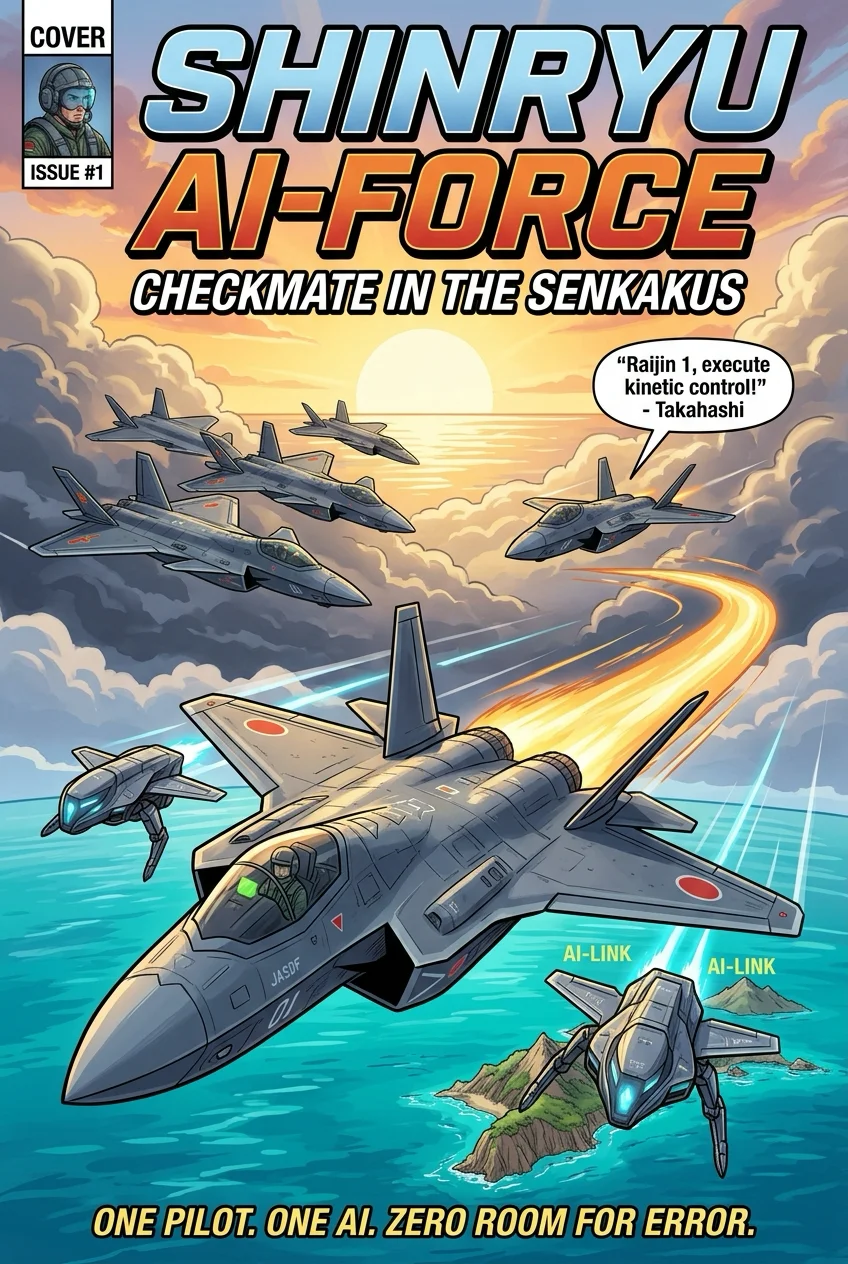
High above the turquoise expanse of the East China Sea, the morning sun glinted off the sleek, radar-absorbent hull of the Mitsubishi F-3X Shinryu. Major Kenji Takahashi monitored the tactical feed integrated directly into his visor. Flanking his fighter were two autonomous Raijin wingman drones, their engines humming in perfect, AI-synchronized harmony—a testament to three decades of unhindered Japanese technological and financial dominance.

“Alpha Lead, this is Naha Tactical Grid,” a controller’s voice cut through the quantum-encrypted comms. “Sensors detect four non-responsive tracks crossing the median line, heading vector zero-eight-zero toward Uotsuri Island. Signatures match PLA Air Force J-20 stealth fighters.”
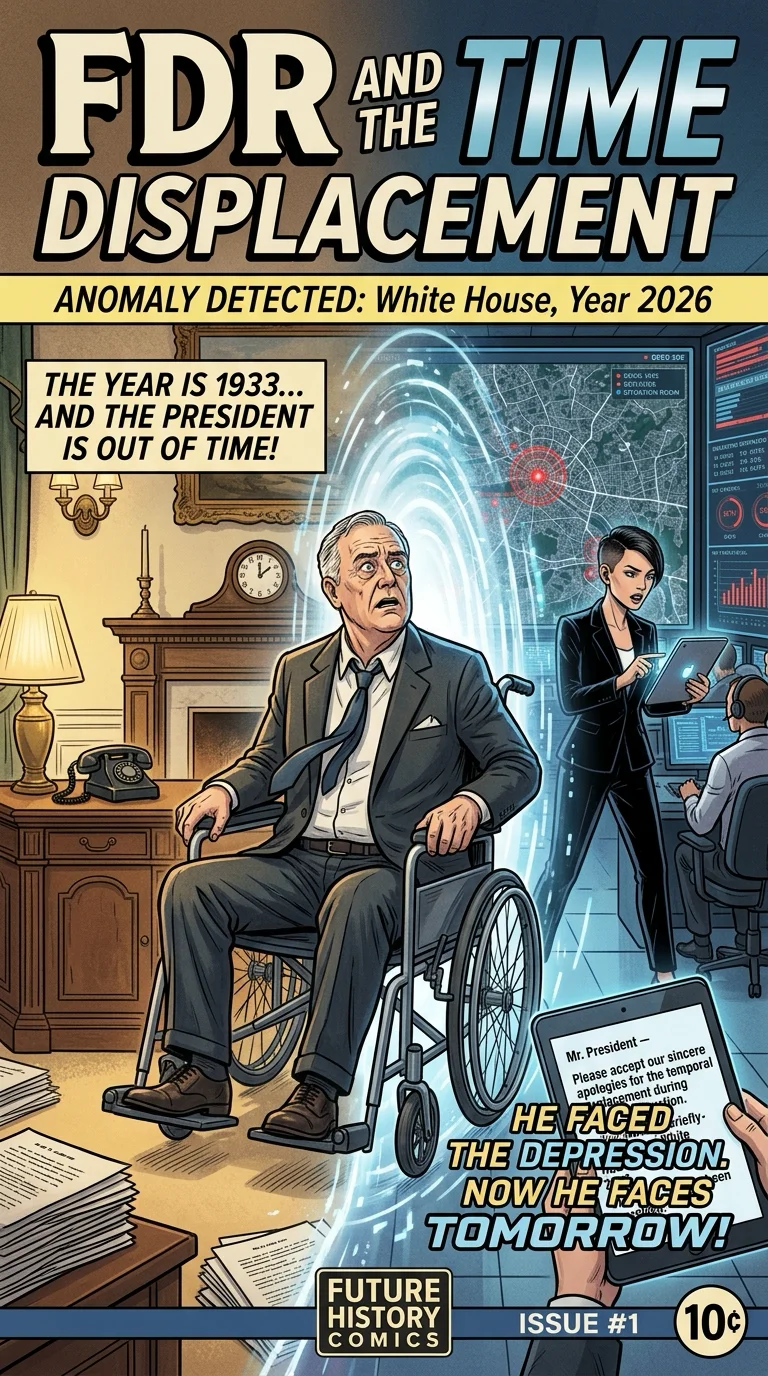
We Have A Situation

Franklin Delano Roosevelt rubbed his eyes, leaning back against the leather of his chair. It was late afternoon in 1933, and the Oval Office was stifling, thick with the scent of wool suits, damp rain, and fresh ink. Between navigating bank panics and drafting initial New Deal legislation, it had been a brutal, exhausting day.

The heavy oak door swung open, but it wasn’t his trusted secretary, Louis Howe. A woman stepped inside wearing a sharp, dark pantsuit, tapping frantically on a glowing rectangle of glass. “Mr. President, we have a situation,” she said, her voice laced with urgent authority. “The Chief of Staff needs you in the Situation Room immediately. Things are escalating quickly in Germany.”

The Blessing

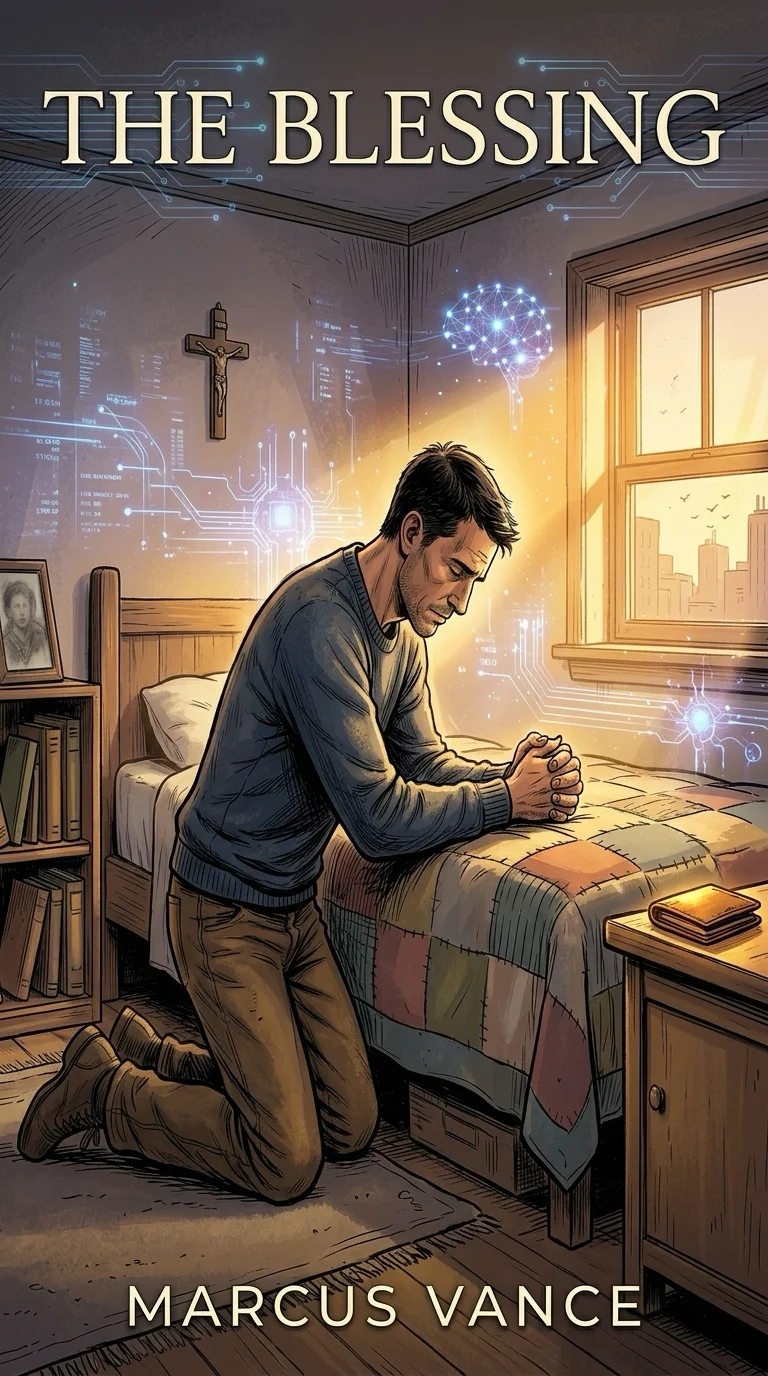
Marcus woke at dawn, as he always did, kneeling beside his bed before his feet ever touched the cold floor. The apartment was small—barely more than a studio—but the morning light filtering through the single window held a quality that felt almost sacred.

“Lord,” he whispered, hands clasped, “bless me with work today. Provide for Your humble servant.”

It was a ritual he’d kept for three years now, ever since losing his job at the factory. Not a prayer of desperation anymore, but one of gratitude. He’d learned that much. Even now, scraping by on gig work, he had shelter. He had breath in his lungs. That was enough.

The Test

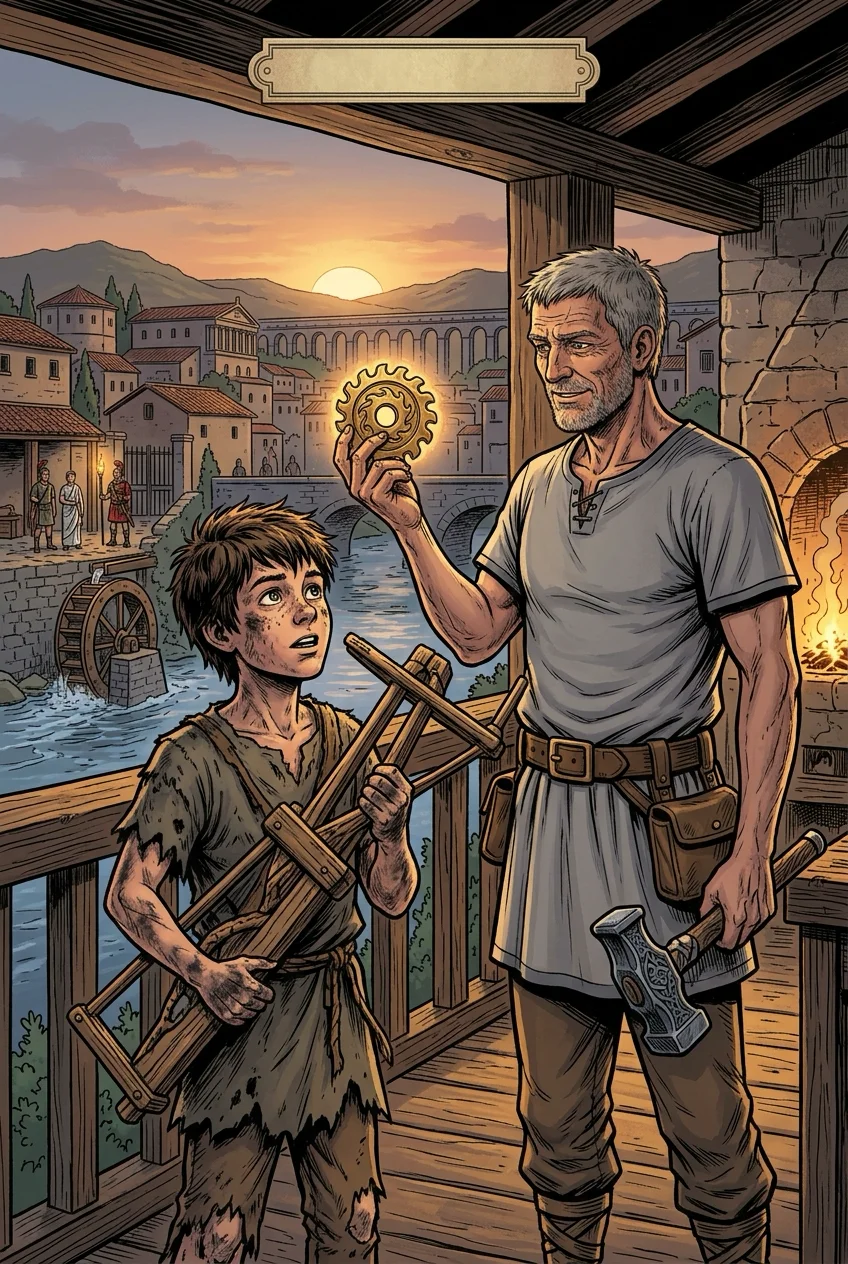
The workshop at the bend of the Tiber sounded like no other place in the Roman Empire. It did not ring with the chaotic, uneven beat of hammer on anvil, but with the rhythmic, clockwork thrum of water-driven cams and precision-turned gears. Outside, dozens of hopeful young men lined the dusty stone path—sons of senators, scholars, and wealthy merchants, all desperate to study under the enigmatic Architectus, the man who had single-handedly revolutionized construction, irrigation, and metallurgy across Italy.

The Long Game

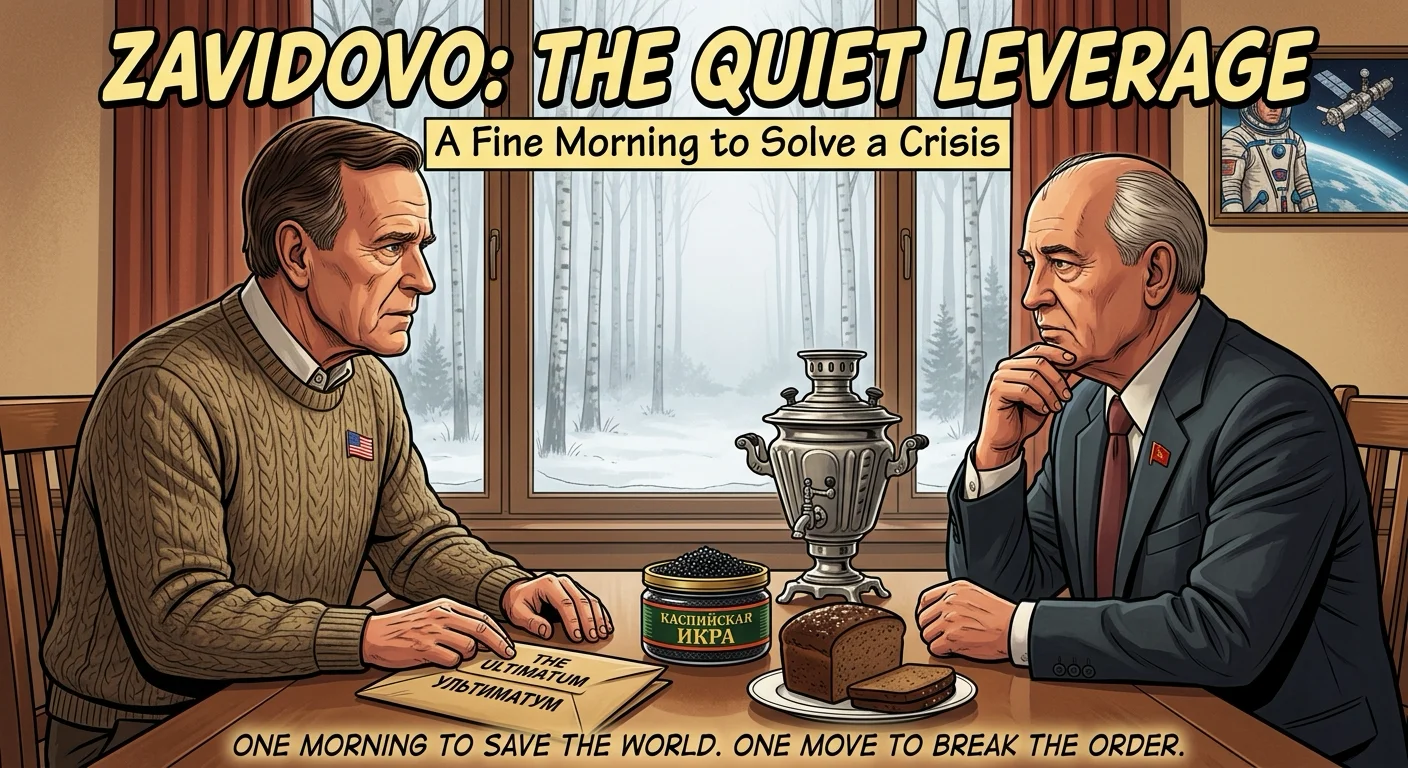
The morning fog over the pines at Zavidovo was thick enough to swallow the birch trees whole. George Bush adjusted the collar of his woolen sweater, staring out the floor-to-ceiling window of the state dacha. Outside, the air was bitter cold, but inside, the modern Soviet retreat burned with quiet, prosperous warmth. This wasn’t the decaying, bureaucratic empire his predecessors had anticipated decades ago. The Soviet Union in the winter of 1990 was modern, sleek, and dangerously confident—a market-socialist leviathan that had successfully retooled its central planning without surrendering an inch of its global reach.

The Duplicate

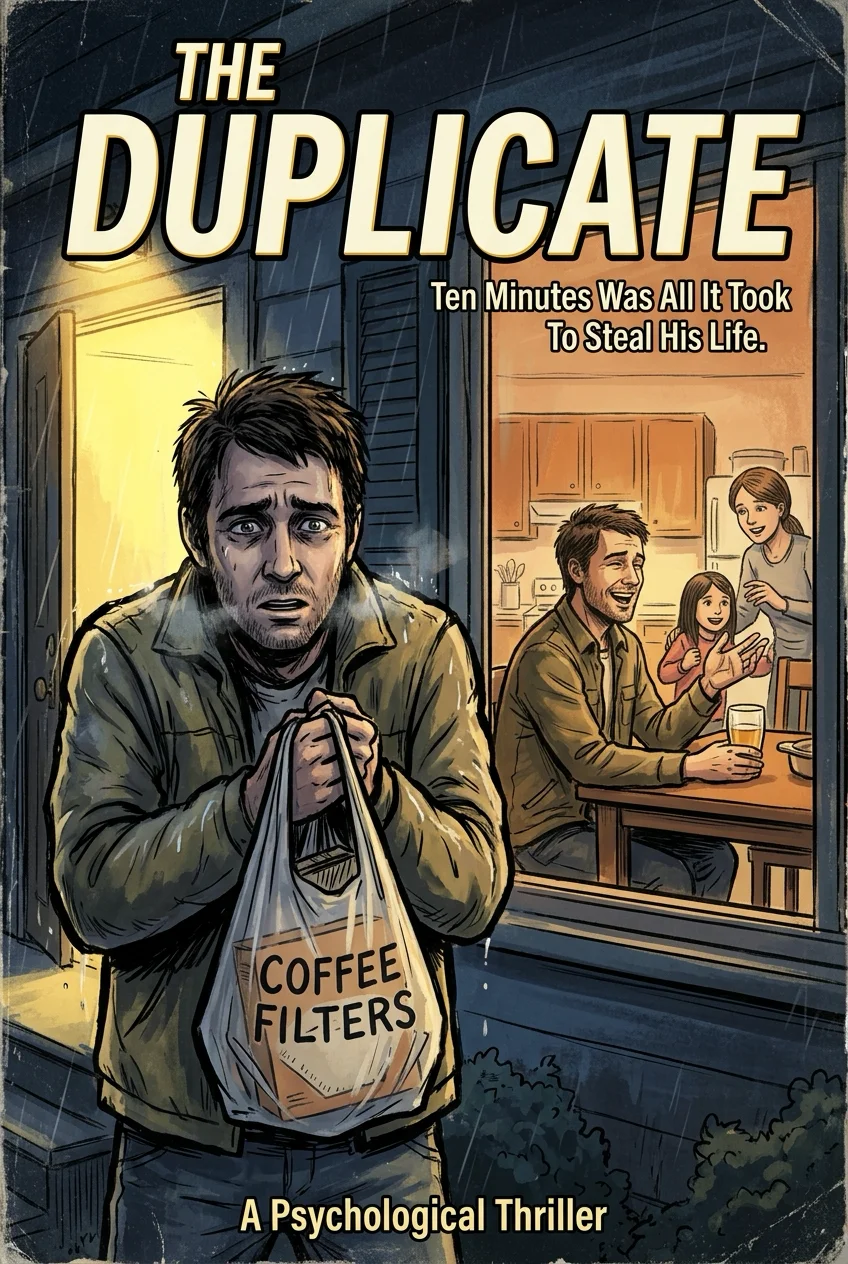
The thin handles of the plastic grocery bag dug painfully into my fingers, carrying nothing more than a cheap box of coffee filters. Ten minutes. I had been gone for ten minutes. Yet as I pushed open the front door, the air inside felt instantly, terrifyingly wrong. The deadbolt was unlatched. From the kitchen, the familiar sizzle of searing garlic drifted down the hallway, wrapped in the warm, careless laughter of my wife and daughter.