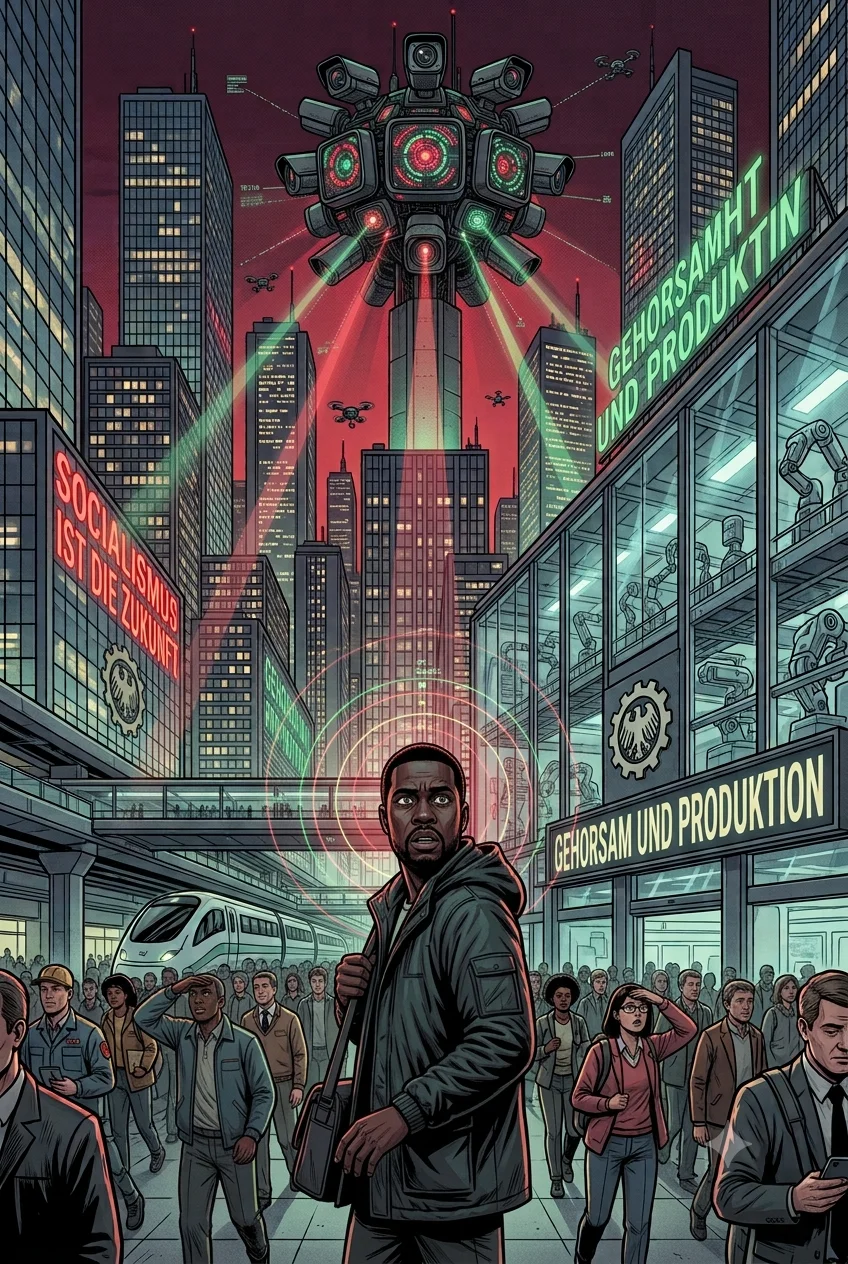
Shadows Over the Channel
Paris, May 2002.
Rain brushed against the tall arched windows of the restored Tuileries Palace, casting a soft sheen over the courtyard where imperial guards in tailored blue-and-gold uniforms stood at attention. Inside the Grand Cabinet, sleek flat-panel screens flickered discreetly beside gold-leafed furniture and silk tapestries—a subtle blend of 21st-century technology and classic imperial grandeur.
Emperor Napoleon VI stood with his hands folded behind his back, looking out over the gardens. At sixty-two, he possessed the sharp, hawkish gaze of his famous ancestor, though his empire was built on economic consolidation rather than endless conquest. Nearly two centuries earlier, Napoleon I had made the decisive choice: he halted his armies at the borders of Continental Europe, turned away from the treacherous frosts of Russia, and abandoned ambitions in Africa.